
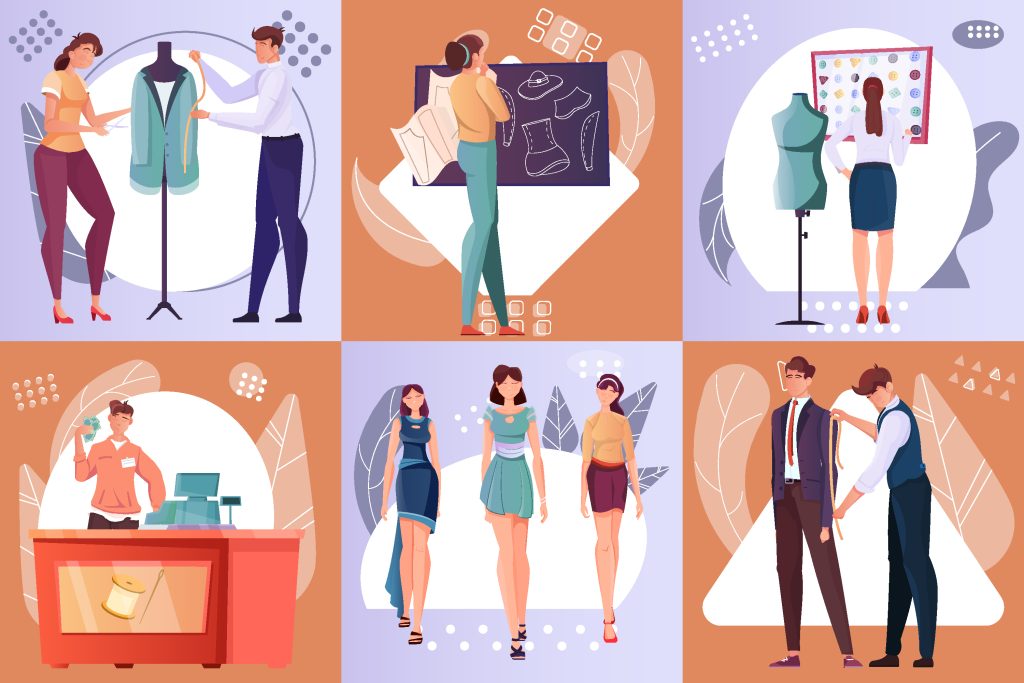
The American fashion industry has always been seen as exciting, creative, and full of opportunities. From the streets of everyday cities to high-profile fashion events, clothing and style play an important role in how people express themselves. In 2026, fashion in the United States is not just about trends and runway shows. It is a powerful global industry that connects creativity with business, technology, and culture.
For many people, a career in fashion may seem glamorous from the outside. Images of designers, models, and stylists working on big projects often create a sense of attraction. But behind this world, there is a lot of hard work, planning, and skill involved. Fashion is not just about creativity. It also requires discipline, understanding of markets, and the ability to adapt to changing trends.
The good thing is that the fashion industry offers a wide range of career options. You do not have to become a famous designer to succeed. There are many roles, each with its own importance, and each offering different paths for growth.
Understanding Different Roles in the Fashion Industry
When people think of fashion careers, the first role that comes to mind is usually a fashion designer. Designers are responsible for creating new clothing ideas, selecting fabrics, and turning concepts into finished products. They are at the center of the creative process, but they are not the only ones shaping the industry.
Stylists are another important part of the fashion world. They work closely with individuals, brands, or media projects to create complete looks. This can include choosing outfits for photoshoots, events, or even everyday wear for clients. Stylists need a strong sense of aesthetics and a deep understanding of how clothing works together.
There are also roles in fashion marketing and branding. These professionals focus on promoting products and building a brand’s identity. In today’s digital world, this often involves social media, content creation, and online campaigns. Without marketing, even the best designs may not reach the right audience.
Fashion buyers and merchandisers play a business-focused role. They decide which products will be sold in stores or online, based on trends, customer demand, and budget. Their decisions directly impact sales and the success of a brand.
Another growing area is fashion technology. With the rise of e-commerce, virtual try-ons, and smart clothing, tech is becoming a key part of fashion. This has created new roles for people who understand both fashion and technology.
There are also opportunities in areas like textile design, fashion journalism, photography, and production management. Each of these roles contributes to the overall functioning of the industry. This variety means that people with different skills and interests can find a place in fashion.
Skills, Education, and Building a Career
Starting a career in the American fashion industry requires a mix of creativity, practical skills, and determination. While formal education can be helpful, it is not always necessary. What matters more is your ability to create, understand trends, and present your ideas effectively.
For designers, skills like sketching, fabric knowledge, and pattern making are important. Many designers also use digital tools to create designs and plan collections. For stylists, the focus is more on visual sense, coordination, and understanding different body types and personal styles.
Communication is a key skill across all roles. Whether you are working with clients, teams, or brands, you need to express your ideas clearly. Networking is also very important in the fashion industry. Many opportunities come through connections rather than formal applications.
Building a portfolio is one of the most important steps in starting your career. A strong portfolio shows your work, your style, and your ability to handle different projects. For designers, this might include sketches and finished pieces. For stylists, it could include photos of styled looks or collaborations.
Internships and entry-level roles are often the starting point. These positions may not always pay well, but they provide valuable experience and exposure. Working under experienced professionals helps you understand how the industry operates and improves your skills.
Social media has also become a powerful tool in building a fashion career. Many designers and stylists showcase their work online and build a following. This can lead to collaborations, freelance opportunities, and even direct clients.
In the USA, cities like New York and Los Angeles are major fashion hubs, but opportunities are now spreading across other regions as well. With online platforms and remote work, it is possible to build a career without being in one specific location.
Growth, Challenges, and the Future of Fashion Careers
The fashion industry is constantly changing, and this creates both opportunities and challenges. Trends come and go quickly, and professionals need to stay updated with what is happening in the market. This requires continuous learning and the ability to adapt.
One of the biggest changes in recent years is the shift towards sustainability. Consumers are becoming more aware of environmental issues, and brands are responding by using eco-friendly materials and ethical practices. This has created new opportunities for professionals who understand sustainable fashion.
Technology is also shaping the future of fashion. Online shopping, virtual fashion shows, and digital clothing are becoming more common. This means that people who can combine creativity with technology will have an advantage.
At the same time, the industry can be competitive and demanding. Long working hours, tight deadlines, and high expectations are common, especially in the early stages of a career. Success often requires patience and persistence.
Financial stability can also take time, especially for freelancers and independent designers. Building a reputation and a steady client base does not happen overnight. However, once established, fashion careers can be both rewarding and financially successful.
Another important aspect is personal identity and expression. Fashion is a field where individuality is valued. People who bring unique ideas and perspectives often stand out. This makes it an exciting career for those who want to express themselves creatively.
The American fashion industry in 2026 is a blend of art, business, and technology. It offers many paths, from designing and styling to marketing and innovation. For those who are passionate, willing to work hard, and ready to adapt, it provides a space to grow, create, and build a meaningful career.