
In recent years, mental health has become an important topic of discussion in the United States. What was once often ignored or misunderstood is now being recognized as a key part of overall well-being. In 2026, more people are seeking help for stress, anxiety, depression, and other mental health challenges. At the same time, organizations, schools, and healthcare systems are investing more in mental health services.
This growing awareness has created a strong demand for professionals who can support individuals and communities. Mental health careers are no longer limited to a few traditional roles. Today, the field includes a wide range of opportunities that combine healthcare, counseling, education, and even technology.
For those who are interested in helping others and making a meaningful difference, mental health careers offer a path that is both rewarding and full of potential. However, like any profession, it requires the right understanding, preparation, and commitment.
Understanding Different Roles in Mental Health
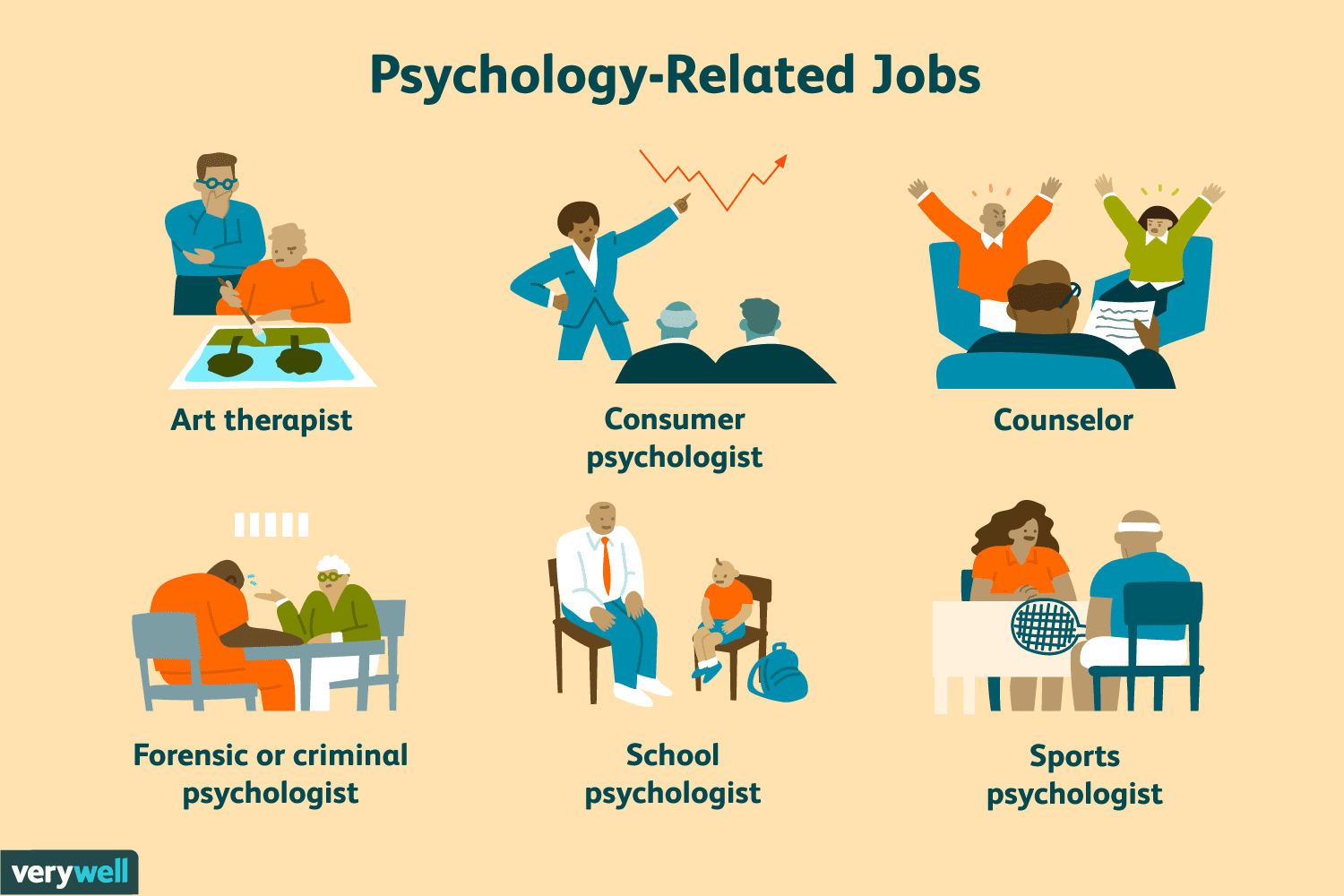
The mental health field in the USA includes many different roles, each focusing on specific types of care and support. One of the most well-known roles is that of a psychologist. Psychologists study human behavior and provide therapy to help individuals manage emotional and mental challenges. They often work in clinics, hospitals, or private practice.
Psychiatrists are medical doctors who specialize in mental health. They can diagnose conditions, provide therapy, and prescribe medication when necessary. This role requires extensive education and training but offers the ability to treat more complex cases.
Counselors and therapists form another important group. They work closely with individuals, families, or groups to help them deal with personal challenges, relationships, and emotional issues. These roles are often more accessible than psychiatry and allow for direct interaction with clients.
Social workers also play a key role in mental health. They support individuals in difficult situations, such as family problems, financial stress, or health issues. Their work often connects mental health care with social services.
In addition to these traditional roles, there are newer opportunities emerging in the field. Mental health coaches, wellness consultants, and digital therapy providers are becoming more common. These roles often focus on preventive care and everyday mental well-being rather than clinical treatment.
Schools, workplaces, and community organizations are also hiring mental health professionals. This shows how the field is expanding beyond hospitals and clinics into everyday environments where support is needed.
Skills, Education, and Building a Career
Starting a career in mental health in the USA requires a combination of education, training, and personal qualities. The exact requirements depend on the role you choose, but most positions require at least a bachelor’s degree in psychology, social work, or a related field.
For roles like psychologists and licensed therapists, advanced degrees are usually required. This may include a master’s or doctoral degree, along with supervised training and licensing exams. These steps ensure that professionals are well-prepared to handle sensitive and complex situations.
However, not all mental health careers require extensive education. Some roles, especially in support or coaching, may have shorter training programs. This makes the field accessible to people with different levels of education and experience.
Apart from formal qualifications, certain personal skills are essential. Empathy is one of the most important qualities in this field. Mental health professionals need to understand and connect with people who may be going through difficult times. Listening skills, patience, and the ability to communicate clearly are also crucial.
Confidentiality and professionalism are equally important. Clients need to feel safe and trust the person they are speaking to. Maintaining this trust is a key part of the job.
Building a career in mental health also involves gaining practical experience. Internships, volunteer work, and supervised training provide valuable exposure to real-life situations. These experiences help professionals develop confidence and improve their skills.
Networking and continuous learning are also important. The field of mental health is constantly evolving, with new research, techniques, and approaches being introduced. Staying updated helps professionals provide better support and grow in their careers.
Growth, Challenges, and the Future of Mental Health Careers
The future of mental health careers in the USA looks very promising. As awareness continues to grow, more people are seeking help, and more organizations are investing in mental health services. This creates a steady demand for professionals across different roles.
Career growth in this field can take many forms. Professionals can specialize in areas such as child psychology, addiction counseling, or trauma therapy. Specialization often leads to better opportunities and higher earning potential.
There is also increasing demand for mental health services in non-traditional settings. Schools, workplaces, and online platforms are becoming important spaces for mental health support. This expands the scope of the field and creates new career paths.
Technology is playing a major role in shaping the future of mental health care. Teletherapy, mental health apps, and online counseling platforms are making services more accessible. This allows professionals to reach clients who may not have access to traditional care.
At the same time, mental health careers come with challenges. The work can be emotionally demanding, as professionals often deal with serious and sensitive issues. Managing stress and maintaining personal well-being is important for long-term success.
Another challenge is the need for continuous learning and adaptation. As new treatments and approaches are developed, professionals must update their knowledge and skills. This requires dedication and a willingness to grow.
Despite these challenges, many people find mental health careers deeply fulfilling. Helping someone overcome difficulties, improve their well-being, and lead a better life provides a strong sense of purpose.
In 2026, mental health is no longer seen as a separate part of health. It is recognized as an essential aspect of overall well-being. This shift is creating opportunities for professionals who are passionate about making a difference.
Mental health careers in the USA offer a unique combination of personal impact, professional growth, and long-term stability. For those who are willing to learn, stay committed, and care for others, it is a field that provides both meaning and opportunity in a rapidly changing world.