
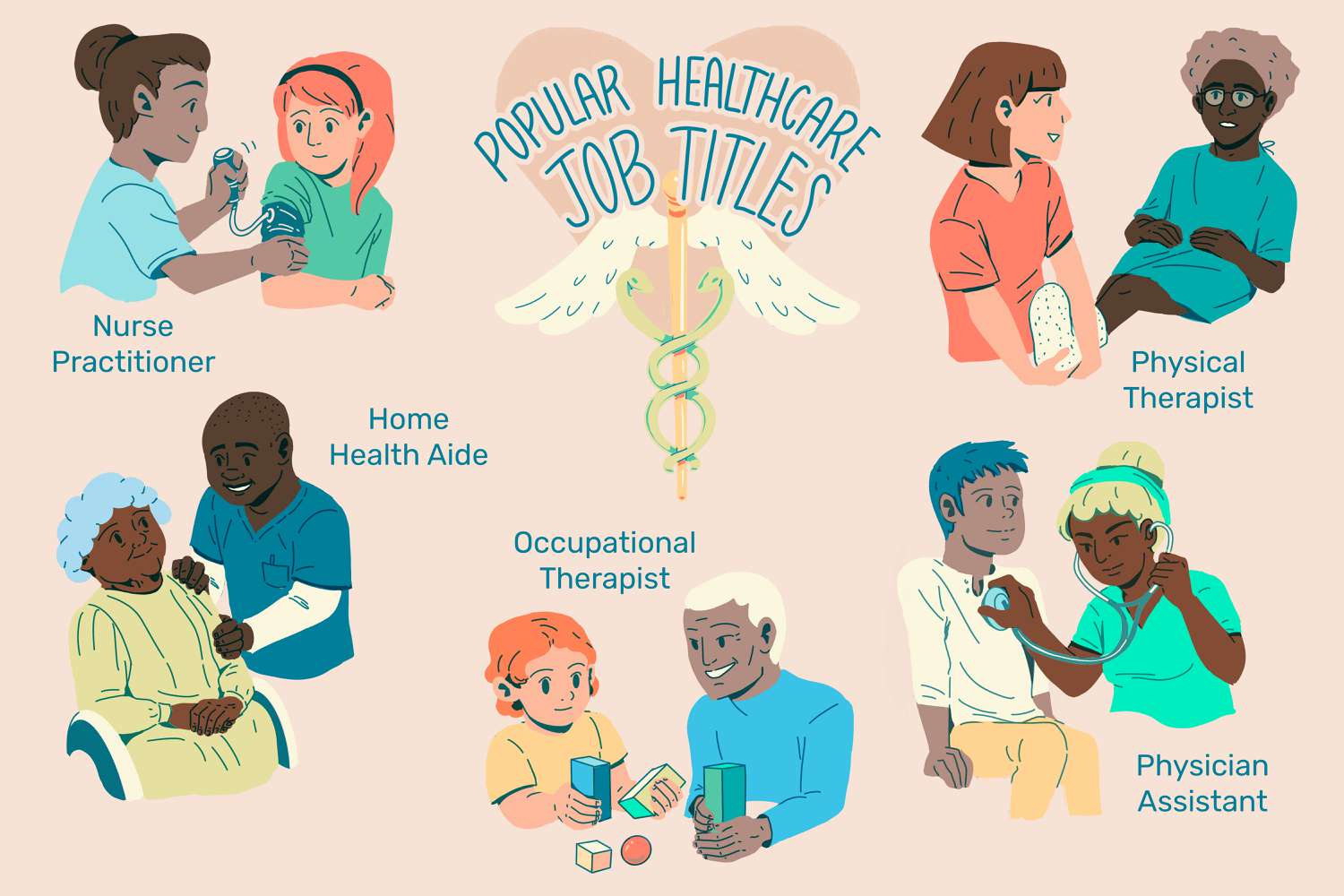
Healthcare is one of the most important and stable industries in the United States. In 2026, it continues to grow rapidly due to an aging population, advancements in medical technology, and increasing awareness about health and wellness. Hospitals, clinics, and healthcare organizations are constantly looking for skilled professionals who can provide quality care and support patients in different ways.
Unlike many other industries, healthcare offers a wide range of career options. Some roles involve direct patient care, while others focus on technology, administration, or research. This diversity makes healthcare an attractive field for people with different skills and interests. At the same time, many healthcare jobs offer strong salaries, job security, and opportunities for long-term growth.
For anyone considering a career in this field, it is important to understand which roles are in demand, what skills are required, and how these careers are evolving.
High-Demand Healthcare Roles in 2026
In the current job market in the USA, certain healthcare roles stand out because of their demand and importance. One of the most well-known roles is that of a registered nurse. Nurses are the backbone of the healthcare system, providing direct care to patients, assisting doctors, and managing treatment plans. The demand for nurses remains high due to the increasing number of patients and healthcare facilities.
Physicians and surgeons also continue to be in demand, especially in specialized fields. These roles require extensive education and training, but they offer high salaries and the opportunity to make a significant impact on people’s lives.
Another growing area is allied health professions. These include roles such as medical laboratory technicians, radiologic technologists, and physical therapists. These professionals support diagnosis and treatment, often working behind the scenes but playing a crucial role in patient care.
Healthcare technology is also creating new opportunities. Health informatics specialists and medical IT professionals work with data and systems that improve patient care and hospital operations. As healthcare becomes more digital, these roles are becoming increasingly important.
Mental health professionals are also in high demand. Psychologists, counselors, and therapists help individuals deal with stress, anxiety, and other mental health issues. With growing awareness about mental well-being, these roles are expanding rapidly.
Pharmacists, healthcare administrators, and home health aides are other important roles that contribute to the system. Each of these jobs plays a unique part in ensuring that healthcare services run smoothly and effectively.
Skills, Salaries, and Work Environment
Healthcare careers require a combination of technical knowledge and personal skills. Medical knowledge is essential, but qualities like empathy, communication, and attention to detail are equally important. Working in healthcare often involves dealing with people during difficult times, which requires patience and understanding.
Education and training vary depending on the role. Some positions, like doctors and specialists, require many years of study and training. Others, such as technicians or assistants, may require shorter programs or certifications. This flexibility allows individuals to choose a path that matches their goals and resources.
Salaries in healthcare are generally strong compared to many other industries. Physicians and surgeons are among the highest-paid professionals, often earning well into six figures. Nurses also earn good salaries, with additional benefits and opportunities for overtime.
Allied health professionals and technicians earn moderate to high salaries depending on their specialization and experience. Roles in healthcare administration and technology also offer competitive pay, especially as the demand for skilled professionals increases.
The work environment in healthcare can be both rewarding and challenging. Hospitals and clinics can be fast-paced, and professionals often need to make quick decisions. Long working hours, night shifts, and emergency situations are common in some roles.
At the same time, many people find healthcare careers deeply fulfilling. Helping patients recover, supporting families, and contributing to the well-being of society provides a strong sense of purpose. This emotional reward is one of the reasons why many people choose to work in this field.
Technology is also changing the work environment. Advanced equipment, digital records, and telemedicine are becoming part of daily operations. Healthcare professionals need to adapt to these changes and continuously update their skills.
Career Growth, Challenges, and the Future of Healthcare Jobs
The future of healthcare jobs in the USA looks strong, with continued growth expected in the coming years. As the population ages, the need for medical services will increase, creating more opportunities across different roles.
Career growth in healthcare often follows a structured path. Professionals can gain experience, pursue additional certifications, and move into specialized or leadership roles. For example, nurses can become nurse practitioners or move into administrative positions. Technicians can specialize in advanced areas, increasing their responsibilities and earnings.
However, healthcare careers also come with challenges. The work can be physically and emotionally demanding. Dealing with illness, emergencies, and patient care requires resilience and mental strength. Burnout is a concern in some roles, especially those with long hours and high pressure.
Another challenge is the need for continuous learning. Medical knowledge and technology are constantly evolving, and professionals must stay updated to provide the best care. This requires ongoing education and training throughout their careers.
Despite these challenges, the opportunities in healthcare are significant. New technologies, such as artificial intelligence and advanced diagnostics, are improving how healthcare is delivered. These advancements are also creating new roles and changing existing ones.
Telemedicine is another major trend. It allows patients to consult doctors remotely, making healthcare more accessible. This has opened new opportunities for professionals who can work in virtual settings.
Preventive care is also gaining importance. Instead of focusing only on treatment, the healthcare system is placing more emphasis on preventing diseases and promoting healthy lifestyles. This shift is creating roles in wellness coaching, nutrition, and public health.
Healthcare is not just a job, it is a commitment to helping others. It offers a career that combines stability, growth, and a strong sense of purpose. In the United States, it remains one of the most reliable and rewarding fields for those who are willing to put in the effort and dedication.
For anyone looking for a career that makes a real difference, healthcare provides a path that is both meaningful and full of long-term potential.