
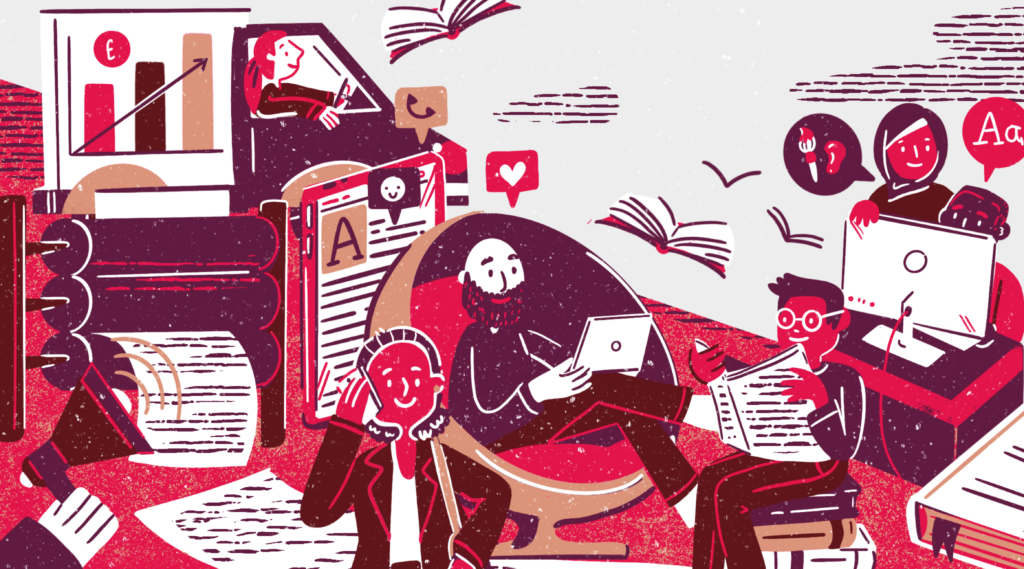
The publishing industry in the United States has gone through a major transformation over the years. What was once focused mainly on printed books and newspapers has now expanded into a wide and dynamic field that includes digital content, online platforms, audiobooks, and self-publishing. In 2026, publishing is no longer limited to traditional publishing houses. It is a growing ecosystem where writers, editors, and content professionals work across multiple formats and industries.
Despite the rise of digital media, the need for quality writing and editing has not decreased. In fact, it has increased. With so much content being created every day, the demand for skilled professionals who can create, refine, and manage content is higher than ever. Editors and writers play a crucial role in ensuring that content is clear, engaging, and meaningful.
For anyone interested in working with words, the publishing industry offers a wide range of career opportunities. Whether you prefer creative storytelling or structured content, there is a place for you in this evolving field.
Understanding Roles in Modern Publishing
When people think of publishing, they often imagine book editors working in large publishing houses. While this is still an important part of the industry, the range of roles has expanded significantly.
Editors are at the heart of publishing. Their job is not just to correct grammar or spelling, but to improve the overall quality of a piece of writing. They work closely with writers to shape ideas, refine structure, and ensure that the content meets the intended purpose. There are different types of editors, including developmental editors, copy editors, and proofreaders, each focusing on a specific stage of the writing process.
Writers in the publishing industry come from many backgrounds. Some write books, while others create articles, educational materials, or digital content. Many writers work closely with publishers, while others choose to self-publish their work. The rise of self-publishing platforms has made it easier for writers to share their work without relying on traditional publishers.
There are also roles beyond writing and editing. Literary agents, for example, help writers find publishers and negotiate contracts. Publishing managers oversee the production and distribution of content. Designers work on book covers and layouts, ensuring that the final product is visually appealing.
Digital publishing has created new roles as well. Content managers, digital editors, and SEO specialists are now part of the publishing process. These professionals focus on making content accessible and discoverable online.
This variety of roles means that the publishing industry is not limited to one type of career. It offers opportunities for people with different skills and interests, all connected by a shared focus on content.
Skills, Experience, and Building a Career
Starting a career in the publishing industry in the USA requires a strong foundation in language and communication. For editors, attention to detail is one of the most important skills. They need to spot errors, improve clarity, and maintain consistency throughout a piece of writing.
Writers need creativity, clarity, and the ability to adapt their style based on the audience and purpose. Whether it is a novel, an article, or an educational text, the goal is to communicate ideas effectively.
Reading plays a big role in developing these skills. Exposure to different types of writing helps you understand tone, structure, and style. It also improves your ability to analyze and critique content.
Building a portfolio is essential for both editors and writers. For writers, this includes published articles, blog posts, or manuscripts. For editors, it may include samples of edited work or before-and-after examples that show how you have improved a piece of content.
Internships and entry-level roles are often the starting point. Many publishing professionals begin as assistants or junior editors, gradually moving into more advanced positions. These roles provide valuable experience and help you understand how the industry works.
Networking is also important in the publishing world. Many opportunities come through connections, recommendations, and professional relationships. Attending events, joining writing groups, and participating in online communities can help you connect with others in the field.
Technology has become an important part of publishing careers. Editors and writers use various tools for editing, collaboration, and publishing. Understanding digital platforms and online content management systems can improve your chances of success.
Freelancing is another common path. Many editors and writers work independently, taking on projects from different clients. This offers flexibility but also requires strong time management and business skills.
Growth, Challenges, and the Future of Publishing Careers
The publishing industry in the USA continues to evolve, creating both opportunities and challenges. One of the biggest changes is the shift towards digital content. E-books, audiobooks, and online articles are becoming more popular, and this has expanded the scope of publishing careers.
At the same time, competition in the industry is strong. Many people are interested in writing and editing, which means standing out requires consistent effort and a strong portfolio. Building a reputation takes time, but it can lead to long-term success.
Another challenge is adapting to changing reader preferences. Audiences today expect content that is not only informative but also engaging and easy to consume. This requires writers and editors to stay updated with trends and adjust their approach accordingly.
Financial stability can vary depending on the role. Full-time positions in publishing houses offer more stability, while freelance work may involve fluctuating income. Managing finances and planning for uncertainty is an important part of building a career in this field.
Despite these challenges, the future of publishing careers looks promising. The demand for high-quality content continues to grow across industries. Businesses, educational institutions, and media platforms all need skilled writers and editors.
Technology is also opening new doors. Tools for digital publishing, content distribution, and audience analysis are making it easier to reach readers. At the same time, there is a growing appreciation for well-crafted content, which highlights the importance of human creativity and skill.
Another important trend is the rise of independent publishing. Writers now have more control over their work and can reach audiences directly. This has changed the traditional publishing model and created new opportunities for both writers and editors.
Publishing is no longer just about books. It is about sharing ideas, telling stories, and connecting with audiences in different ways. For those who enjoy working with words and are willing to adapt to change, the publishing industry offers a career that is both challenging and rewarding.
In the United States, publishing continues to be an important part of the cultural and professional landscape. It provides opportunities for creative expression, intellectual growth, and meaningful work. For editors and writers who are committed to their craft, it is a field full of possibilities and long-term potential.