
The healthcare system in the United States depends on a wide range of professionals who work together to provide care, support recovery, and improve overall well-being. While doctors often receive most of the attention, roles in nursing and allied health are just as important. In 2026, these careers are not only in high demand but also offer stable income, strong growth opportunities, and a meaningful way to contribute to society.
For many people, starting a career in healthcare may feel overwhelming because of the different roles, requirements, and training paths. Nursing and allied health fields offer multiple entry points, making them accessible to individuals with different educational backgrounds and career goals. Whether someone is just starting out or considering a career change, these fields provide a clear and practical path into the healthcare industry.
Understanding how to begin, what skills are needed, and how the career can grow over time is the key to making the right decisions.
Understanding Nursing and Allied Health Career Paths
The first step in starting a career in this field is understanding the difference between nursing and allied health roles. Nursing focuses mainly on patient care, where professionals work directly with patients to monitor their health, administer treatments, and support recovery. Allied health includes a wide range of roles that support diagnosis, treatment, and rehabilitation, often working alongside doctors and nurses.
Nursing offers different levels of entry. Some people start as licensed practical nurses, while others pursue a path to become registered nurses. Each level has its own educational requirements and responsibilities. Registered nurses typically have more responsibilities and higher earning potential, but both roles are important in the healthcare system.
Allied health careers are more diverse. They include roles such as medical laboratory technicians, radiologic technologists, physical therapy assistants, and respiratory therapists. These professionals often specialize in a specific area and use technical skills to support patient care.
One of the advantages of allied health careers is the variety of options available. Some roles require shorter training programs, making it possible to enter the workforce more quickly. Others may require more advanced education but offer higher salaries and specialized responsibilities.
Choosing the right path depends on your interests, strengths, and long-term goals. Some people prefer direct interaction with patients, which makes nursing a good choice. Others may prefer working with technology or focusing on specific medical procedures, which aligns more with allied health roles.
Education, Training, and Getting Certified
Once you decide on a path, the next step is completing the required education and training. In the USA, healthcare professions are regulated, which means you need proper qualifications and certifications to work legally.
For nursing, the most common starting point is completing an accredited nursing program. This can be an associate degree or a bachelor’s degree, depending on your goals. After completing the program, you must pass a licensing exam to become a registered nurse. This exam ensures that you have the knowledge and skills needed to provide safe and effective care.
Allied health roles have their own training requirements. Some positions require a certificate or diploma, while others may need an associate or bachelor’s degree. For example, becoming a medical laboratory technician or a radiologic technologist usually involves completing a specialized program followed by certification.
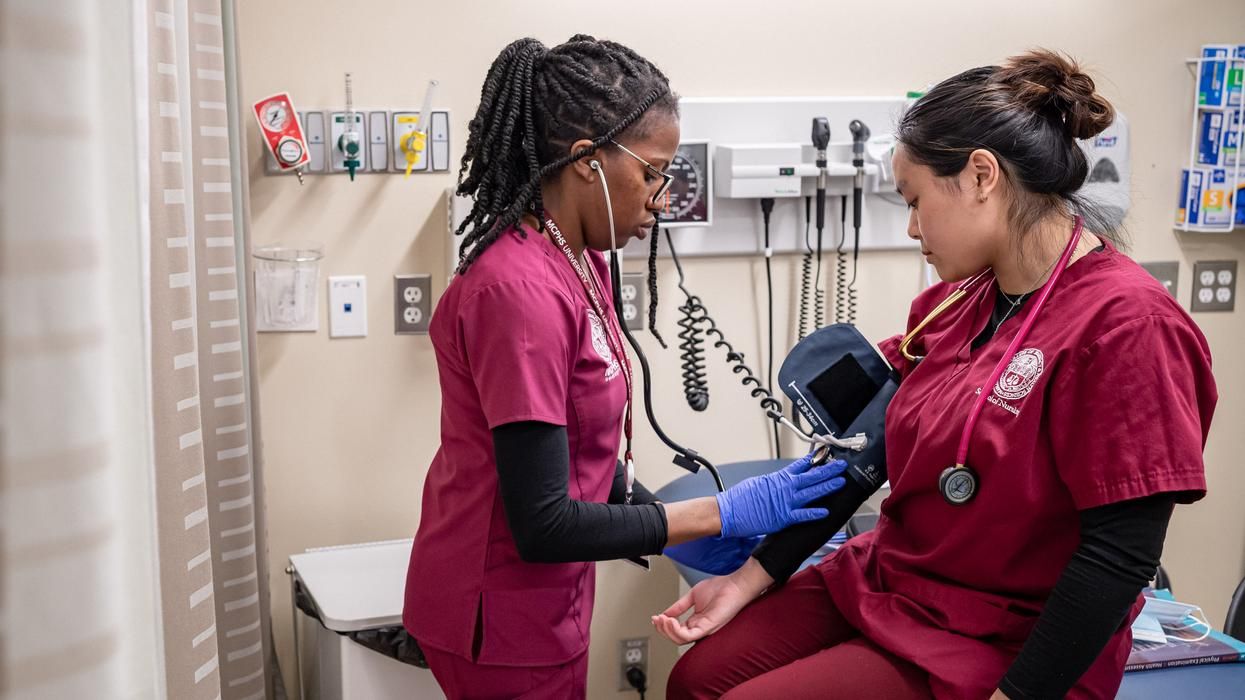
Practical training is an important part of both nursing and allied health education. Students spend time in clinical settings, working with patients under supervision. This hands-on experience helps them understand real-world situations and build confidence in their skills.
In addition to formal education, soft skills are equally important. Communication, teamwork, and attention to detail play a big role in healthcare. Professionals often work in teams, and clear communication is essential for patient safety.
Another important step is obtaining the necessary licenses and certifications. Each state in the USA has its own requirements, so it is important to check the rules for the state where you plan to work. Maintaining these certifications may also require continuing education, which ensures that professionals stay updated with the latest practices.
For those who are switching careers, there are also accelerated programs and bridge courses available. These options allow individuals to enter the field more quickly by building on their existing knowledge and experience.
Career Growth, Opportunities, and Future Outlook
Starting a career in nursing or allied health is just the beginning. These fields offer strong opportunities for growth and advancement over time. As you gain experience, you can take on more responsibilities, specialize in certain areas, or move into leadership roles.
In nursing, there are many paths for advancement. Registered nurses can become nurse practitioners, clinical specialists, or nurse managers. These roles often come with higher salaries and greater responsibilities. Some nurses also choose to move into education or research, contributing to the development of future healthcare professionals.
Allied health careers also offer opportunities for specialization. For example, a radiologic technologist may specialize in advanced imaging techniques, while a physical therapy assistant may focus on specific types of rehabilitation. Specialization often leads to better career prospects and higher income.
The demand for these roles is expected to remain strong in the USA. An aging population and increased focus on healthcare services mean that more professionals will be needed in the coming years. This creates job security and a wide range of opportunities across different regions.
However, these careers also come with challenges. The work can be physically demanding, especially in roles that involve long hours or direct patient care. Emotional stress can also be a factor, as healthcare professionals often deal with serious illnesses and emergencies.
Despite these challenges, many people find these careers highly rewarding. Helping patients recover, improving their quality of life, and being part of a healthcare team provides a strong sense of purpose.
Technology is also shaping the future of nursing and allied health careers. Advanced medical equipment, digital records, and telehealth services are becoming more common. Professionals who are comfortable with technology will have an advantage in this evolving environment.
Another important trend is the focus on patient-centered care. Healthcare is moving towards a more personalized approach, where professionals consider the individual needs and preferences of each patient. This requires not only technical skills but also empathy and understanding.
A career in nursing or allied health in the USA offers a combination of stability, growth, and meaningful work. It provides a clear path into the healthcare industry with opportunities to learn, specialize, and advance over time.
For those who are willing to put in the effort and commit to continuous learning, it is a career that can offer both professional success and personal satisfaction.