
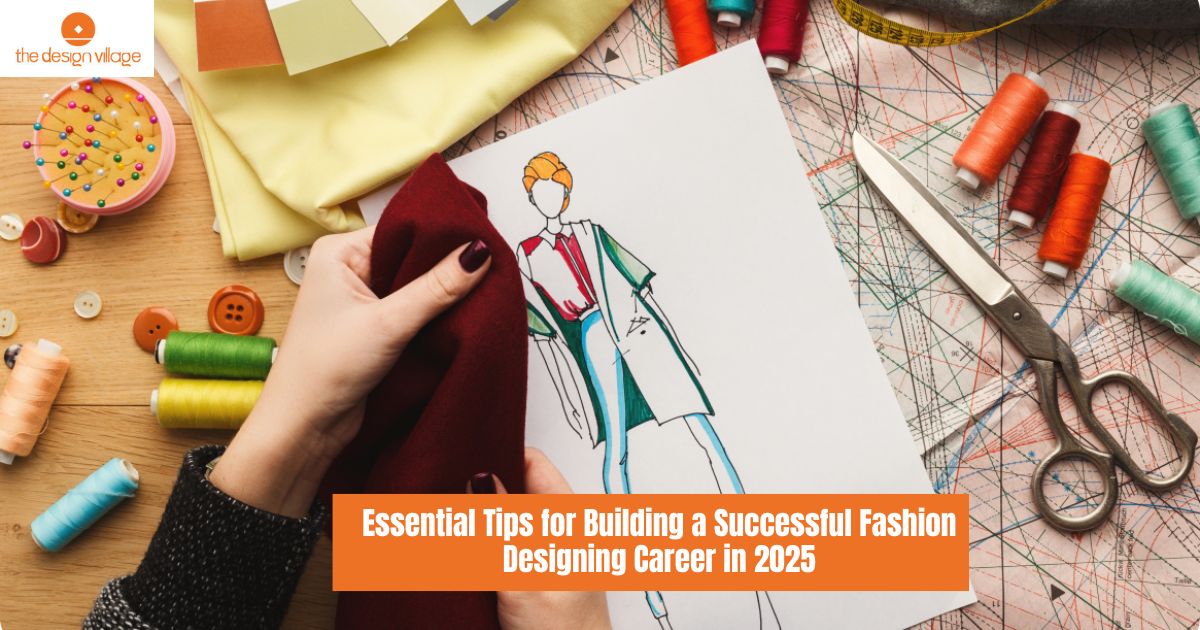
For a long time, people believed that building a career in the fashion industry required a formal degree from a well-known institute. Fashion schools in the United States are often seen as the main path to success, especially for roles like designing or styling. But in 2026, this idea is slowly changing. While education can still be helpful, it is no longer the only way to enter and grow in the fashion industry.
Today, many successful professionals in fashion have built their careers without a traditional degree. What matters more is your creativity, your ability to learn, and how well you can present your work. The fashion industry values talent and originality, and it often rewards those who can prove their skills through real work rather than academic qualifications.
For someone who is passionate about fashion but does not have a degree, the path may feel uncertain at first. However, with the right approach and consistent effort, it is absolutely possible to build a strong and successful career in the USA.
Learning Skills and Finding Your Direction
The first step to building a fashion career without a degree is to focus on learning the right skills. Since you are not following a formal education path, you need to take responsibility for your own learning. This may sound challenging, but it also gives you the freedom to learn at your own pace and focus on what truly interests you.
Fashion is a wide field, and there are many roles to choose from. Some people are interested in designing clothes, while others are more drawn to styling, photography, or fashion marketing. It is important to explore different areas in the beginning so that you can understand what suits you best.
If you are interested in design, you can start by learning basic sketching, understanding fabrics, and experimenting with simple creations. There are many online resources, tutorials, and communities where you can learn these skills. If styling is your interest, you can practice by creating different looks, understanding color combinations, and studying how fashion trends evolve.
In today’s digital world, learning is more accessible than ever. You do not need a classroom to gain knowledge. What you need is consistency and curiosity. Watching tutorials, reading about trends, and practicing regularly can help you build strong foundational skills.
At the same time, it is important to observe the fashion industry closely. Pay attention to what brands are doing, how trends are changing, and what people are wearing. This awareness helps you develop your own sense of style and direction.
Another important aspect is developing your personal identity. Fashion is not just about following trends. It is about expressing something unique. People who succeed without a degree often stand out because they bring a fresh perspective. Finding your own style and voice can make a big difference in how others see your work.
Building a Portfolio and Creating Opportunities
Once you have developed basic skills, the next step is to build a strong portfolio. In the fashion industry, your portfolio is more important than your qualifications. It shows what you can do and how you think creatively.
A portfolio does not have to be perfect in the beginning. It can include small projects, experiments, and collaborations. If you are a designer, you can showcase your sketches and any pieces you have created. If you are a stylist, you can include photos of styled outfits or shoots you have worked on.
One of the best ways to build a portfolio is by working on real projects. You can collaborate with photographers, models, or small brands. Even unpaid projects can be valuable in the beginning because they give you experience and help you build connections.
Social media has become a powerful platform for showcasing fashion work. Many professionals have built successful careers by sharing their work online. Posting your designs, styling ideas, or creative concepts can attract attention and open new opportunities. It also allows you to reach a wider audience beyond your immediate location.
Networking is another key factor. The fashion industry in the USA is highly relationship-driven. Meeting people, attending events, and connecting with others in the field can help you find opportunities that are not publicly advertised. Sometimes, a simple introduction can lead to your first big break.
Freelancing can also be a good starting point. Taking up small projects helps you gain experience and understand how the industry works. Over time, as you build a reputation, you can start charging higher rates and working with bigger clients.
It is important to stay patient during this stage. Building a career without a degree may take time, and progress may feel slow at first. But every small project and connection adds to your growth.
Growth, Challenges, and Creating Long-Term Success
As you move forward in your fashion career, you will start facing new challenges. The industry is competitive, and standing out requires continuous effort. Without a degree, you may sometimes feel that you have to prove yourself more than others. However, this can also become your strength.
One of the biggest advantages of not following a traditional path is flexibility. You are not limited by a fixed curriculum or a predefined career route. You can experiment, take risks, and explore different areas until you find what works best for you.
At the same time, it is important to keep improving your skills. Fashion trends change quickly, and staying updated is essential. Learning new techniques, understanding market demands, and adapting to changes can help you stay relevant.
Technology is also playing a major role in the future of fashion. From digital design tools to online stores, technology is changing how fashion works. Being open to learning these tools can give you an edge, especially if you do not have formal training.
Financial stability can be a challenge in the early stages, especially if you are working freelance or building your brand. Managing your finances carefully and planning for slow periods is important. Over time, as your reputation grows, income becomes more stable.
Another important aspect is confidence. Without a degree, you may face doubts from others or even from yourself. But in the fashion industry, results matter more than certificates. If your work is strong and your approach is professional, people will take you seriously.
The journey may not be easy, but it can be very rewarding. Building a career on your own terms gives a sense of independence and achievement. You are not just following a path, you are creating one.
In the United States, the fashion industry is evolving, and there is space for people from different backgrounds. Talent, creativity, and persistence are valued more than ever. For those who are willing to learn, experiment, and stay committed, it is entirely possible to build a successful fashion career without a degree and create a future that is both creative and fulfilling.